
Modified polymer bitumen

By mixing two or more polymers, a mixture of polymers can be obtained (polymer bitumen), which in addition to having the properties of the primary polymer, its weaknesses have also been eliminated, and in principle, it is possible to use a polymer that has the desired properties. Mixing it with another polymer improves the properties of this polymer.
Reason for using modified polymer bitumen
On most plain roads, it works well. However, new road needs are increasing year by year.
Increasing the number of industrial vehicles with large tires and increasing the load on the axles has devastating effects on the roads and this trend will continue in the future.
To help highway engineers meet this challenge, a wide range of custom asphalts made from modified polymer bitumen are now used, and a wide range of modified bitumens are used for conventional asphalt, all of which improve asphalt performance when Increase service.
Good design, construction and timely maintenance of roads not only increase resistance to various conditions but also increase safety.
However, parts of the road have more pressure than others.
Therefore, these points must be maintained, and despite the high volume of traffic on the roads, it will be difficult to repair the damaged areas, especially on the bridges, so the modified polymer bitumen in the preparation of asphalt helps the asphalt resistance and the need for repairs. You reduce.
The same method has been used to improve the properties of bitumen, so that by adding a certain percentage of some polymers to bitumen, the properties of this important material can be improved and a kind of modified polymer bitumen can be made.
Polymers that are added to the polymer as an additive to modified bitumens can improve properties such as softening point, adhesion, and brittleness of bitumen at low temperatures.
Some of the polymers that are added to bitumen as modifiers are: SBS, polyvinyl chloride, polypropylene, polyethylene and polystyrene, which are thermoplastic polymers.
Adding polyethylene to make modified polymer bitumen increases the softening point and reduces the permeability of the bitumen.
Polypropylene gives similar properties to bitumen, except that because the melting point of polypropylene is higher than polyethylene
By using smaller amounts of polypropylene, the desired properties can be obtained in modified polymer bitumen.
Polymer bitumen modified by SBS polymer
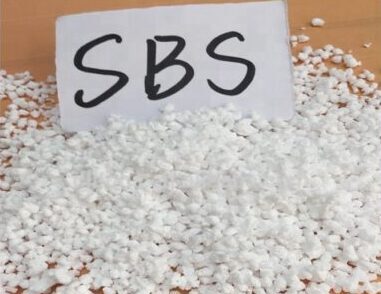
Another type of modified polymer bitumen is modified by SBS polymer.
These polymers are in the class of thermoplastic elastomers and improve the properties of bitumen in all temperature ranges.
However, despite the advantages of this polymer in terms of bitumen modification, the compatibility of this polymer with bitumen is low and this is a big obstacle in preparing bitumen with improved properties.
The reason for this incompatibility is the density difference of this polymer with the continuous environment of bitumen, which is easily separated from it at high storage temperature and forms new polymer molecules.
Regarding the use of this polymer in bitumen, it should be noted that the properties of bitumen only improve the properties of bitumen if SBS is dispersed in the bitumen in one step. This increase in stability is possible in two ways.
In this method, by adding another substance to the mixture, which increases the possibility of mixing by reducing the density difference.
In this method, which is performed at the microscopic level, by reducing the size of the polymer particles to the nanometer level, the problem of this incompatibility is solved.
In this method, by reducing the weight of the particles against the intermolecular forces of bitumen-polymer, the accumulation of polymer molecules and the formation of a polymer domain is prevented.
Another point that should be considered despite the high quality of results in the use of these polymers, is the relatively high price of these polymers compared to other types.
The results of penetration, softening point and viscosity tests showed that the addition of SBS polymer to bitumen improves the rheological properties of bitumen.
Including reduction of thermal sensitivity of bitumen and increase of softening point and permeability index and reduction of permeability. Also, comparison of results after aging of pure and modified bitumen with SBS shows
SBS modified bitumen has better rheological properties than pure bitumen
But in both cases, increasing the age increases the softness and viscosity and decreases the degree of penetration.
But in general, the aging rate of bitumens modified with SBS polymer is less than pure bitumen.
The use of asphalt containing bitumen modified with SBS polymer is suitable in areas with hot summers and cold winters or large temperature differences between day and night.
In hot weather, reducing the penetration of this bitumen and its non-viscosity along with the high strength of the mixture, makes it possible to withstand the load without creating a groove.
Excellent tensile strength along with the coefficient of roughness of asphalt mix with elastic properties of bitumen, provides good flexibility so that in cold weather, which is due to the shrinkage of surfaces prone to cracking, this mixture can be used.
Finally, the use of this bitumen in asphalt, despite the higher initial costs in its production, due to the increase in pavement life by increasing durability and indirect savings in several times the cost of improvement and repair, there is economic potential.
Polymer to bitumen reduces the degree of penetration and increases the softening point.
Theoretically, the increase in softening point is due to the formation of three-dimensional networks in the bitumen environment after the formation of long polymer chains, which increases the elasticity and fluidity of bitumen at high temperatures.
This leads to better bitumen performance at high temperatures. Also, with the increase of polymer, the bitumen permeability index increases
 [:fa]
[:fa]
قیر پلیمری اصلاح شده

با مخلوط کردن دو یا چند پلیمر ، می توان مخلوطی از پلیمرها را بدست آورد (قیر پلیمری) که علاوه بر داشتن خواص پلیمر اولیه ، نقاط ضعف آن نیز برطرف شده است و اصولاً امکان استفاده از پلیمر وجود دارد که خواص مورد نظر را دارد و مخلوط کردن آن با یک پلیمر دیگر باعث بهبود خواص این پلیمر می شود.
جهت دیدن لیست قیمت ها کلیک کنید. برای دیدن مطالبی از خرید قیر و فروش قیر کلیک کند .
دلیل استفاده از قیر پلیمری اصلاح شده
در بیشتر جاده های آسفالت ساده به خوبی به وظیفه خود عمل می کند. با این حال ، نیازهای جدید به جاده ها سال به سال در حال افزایش است.
افزایش تعداد خودروهای صنعتی با تایرهای بزرگ و افزایش بار در محورها اثرات مخربی بر جاده ها دارد و این روند در آینده نیز ادامه خواهد داشت.
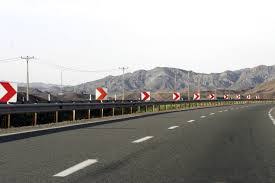
برای کمک به مهندسی بزرگراه ها در پاسخگویی به این چالش ، اکنون طیف وسیعی از آسفالت های سفارشی ساخته شده از قیر پلیمری اصلاح شده استفاده می شود و طیف گسترده ای از قیرهای اصلاح شده برای آسفالت معمولی استفاده می شود که همگی کارایی آسفالت را در هنگام سرویس افزایش می دهند.
طراحی خوب ، ساخت و ساز و نگهداری به موقع جاده ها نه تنها مقاومت در برابر شرایط مختلف را افزایش می دهد بلکه ایمنی را نیز افزایش می دهد.
با این وجود ، قسمتهایی از جاده فشار بیشتری نسبت به سایر قسمتها دارند.
بنابراین ، این نقاط باید حفظ شوند و علی رغم حجم بالای ترافیک در جاده ها ، ترمیم مناطق آسیب دیده به ویژه در پل ها مشکل خواهد بود ، به همین دلیل قیر پلیمری اصلاح شده در تهیه آسفالت به مقاومت آسفالت کمک می کند و نیاز به تعمیرات را کم می کنید.
برای بهبود خواص قیر از همین روش استفاده شده است به گونه ای که با افزودن درصد مشخصی از برخی پلیمرها به قیر می توان خصوصیات این ماده مهم را بهبود بخشید و به نوعی قیر پلیمری اصلاح شده ساخت .
پلیمرهایی که به عنوان افزودنی به قیرهای اصلاح شده به پلیمر اضافه می شوند می توانند خواصی نظیر نقطه نرم شدن ، چسبندگی ، شکنندگی قیر در دمای پایین را بهبود بخشند.
برخی از پلیمرهایی که به عنوان اصلاح کننده ها به قیر اضافه می شوند عبارتند از: SBS ، پلی وینیل کلراید ، پلی پروپیلن ، پلی اتیلن و پلی استایرن که از نوع پلیمرهای ترموپلاستیک می باشند.
افزودن پلی اتیلن برای ساخت قیر پلیمری اصلاح شده باعث افزایش نقطه نرم شدن و کاهش نفوذ پذیری قیر می شود.
پلی پروپیلن خصوصیات مشابهی را به قیر می دهد با این تفاوت که چون نقطه ذوب پلی پروپیلن بالاتر از پلی اتیلن است
با استفاده از مقادیر کمتری از پلی پروپیلن می توان خواص مورد نظر را در قیر پلیمر اصلاح شده بدست آورد.
قیر پلیمری اصلاح شده توسط پلیمر SBS
نوع دیگری از قیر پلیمری اصلاح شده ، توسط پلیمرSBS اصلاح می شوند.
این پلیمرها در کلاس الاستومرهای ترموپلاستیک هستند و باعث بهبود خواص قیر در تمام دامنه های دمایی می شوند.
اما علیرغم مزایای این پلیمر از نظر اصلاح قیر ، سازگاری این پلیمر با قیر، کم است و این مانع بزرگی در تهیه قیر با خواص بهبود یافته است.
دلیل این ناسازگاری اختلاف چگالی این پلیمر با محیط پیوسته ی قیر است که در دمای بالا ذخیره سازی به راحتی از آن جدا شده و مولکول های جدید پلیمری تشکیل می دهد.
در مورد استفاده از این پلیمر در قیر ، باید توجه داشت که خواص قیر فقط در صورتی که SBS در یک مرحله پراکنده در داخل قیر باشد ، خواص قیر را بهبود می بخشد.این افزایش پایداری از دو طریق امکان پذیر است.
- در این روش با افزودن ماده دیگری به مخلوط است که با کاهش اختلاف دانسیته امکان اختلاط را افزایش می دهد.
- در این روش که در سطح میکروسکوپی انجام می شود ، با کاهش اندازه ذرات پلیمر به سطح نانومتر ، مشکل این ناسازگاری را برطرف می کند.
در این روش با کاهش وزن ذرات در برابر نیروهای بین مولکولی قیر-پلیمر ، از تجمع مولکول های پلیمر و تشکیل دامنه پلیمری جلوگیری می شود.
نکته دیگری که علی رغم کیفیت بالای نتایج در استفاده از این پلیمرها باید مورد توجه قرار گیرد ، قیمت نسبتاً بالای این پلیمرها نسبت به انواع دیگر است.
نتایج آزمایش های درجه نفوذ ، نقطه نرم شدن و گرانروی نشان داد که افزایش پلیمر SBS به قیر باعث بهبود خواص رئولوژیکی قیر می شود .
از جمله کاهش حساسیت حرارتی قیر و افزایش نقطه نرم شدن و شاخص نفوذ پذیری و کاهش نفوذهمچنین ، مقایسه نتایج پس از پیری قیر خالص و اصلاح شده با SBS نشان می دهد
که قیر اصلاح شده با SBS از خواص رئولوژیکی بهتری نسبت به قیر خالص برخوردار است
اما در هر دو مورد ، افزایش مدت عمر باعث افزایش نرمی و ویسکوزیته و کاهش درجه نفوذ می شود.
اما به طور کلی ، میزان طول عمر قیرهای اصلاح شده با پلیمر SBS بیشتر از قیر خالص می باشد.
استفاده از آسفالت حاوی قیر اصلاح شده با پلیمر SBS در مناطقی با تابستان گرم و زمستان سرد یا اختلاف دما بین روز و شب زیاد است مناسب است.
در هوای گرم ، کاهش نفوذ این قیر و غیر ویسکوزیته بودن آن به همراه مقاومت زیاد مخلوط ، مقاومت در برابر تحمل بار را بدون ایجاد شیار امکان پذیر می کند .
مقاومت کششی عالی همراه با ضریب برجهندگی مخلوط آسفالت با خواص الاستیک قیر ، انعطاف پذیری خوبی را ایجاد می کند تا در هوای سرد که به دلیل جمع شدگی سطوح در معرض ترک هستند ، می توان از این مخلوط استفاده کرد .
سرانجام ، استفاده از این قیر در آسفالت ، علیرغم هزینه های اولیه بیشتر در تولید آن ، به دلیل افزایش عمر روسازی با افزایش دوام و صرفه جویی غیرمستقیم در چندین برابر هزینه بهسازی و تعمیر ، پتانسیل اقتصادی دیده می شود.
پلیمر به قیر ، درجه نفوذ را کاهش داده و نقطه نرم شدن را افزایش می دهد.
از نظر تئوری ، افزایش نقطه نرم شدن به دلیل تشکیل شبکه های سه بعدی در محیط قیر پس از تشکیل زنجیره های پلیمری طولانی است که باعث افزایش کشش و سیالیت قیر در دماهای بالا می شود.
این منجر به عملکرد بهتر قیر در دمای بالا می شود. همچنین با افزایش پلیمر ، شاخص نفوذ پذیری قیر افزایش می یابد که نشانگر کاهش حساسیت حرارتی قیر و عملکرد مطلوب آن در مناطقی است که اختلافات حرارتی زیادی دارند.
[:]