
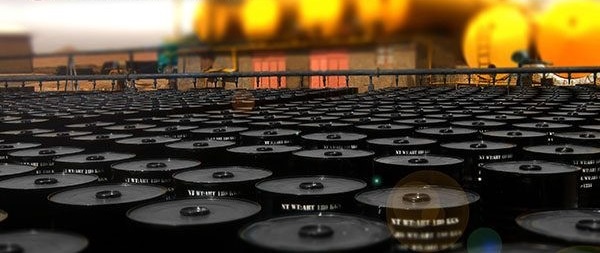
Bitumen is a derivative of oil that is commonly used in road construction and insulation and is usually available in both barrel and bulk form. This black material with high viscosity is such that it is solid at ambient temperature and its viscosity decreases with increasing temperature.
Bitumen is used in the manufacture of insulation such as isogum and asphalt, waterproofing. Bitumen is commonly used to insulate roofs, humid environments such as swimming pools, toilets, etc. It has good adhesion to the surface of mortar and cement and is an important and widely used building material. In insulation, bitumen with a sack is usually used, which is called bitumen. Sack fibers have a reinforcing role and stabilize the bitumen in place. As mentioned earlier, bitumen is solid at ambient temperature, but as the temperature rises, it becomes a paste and then liquefies. The important application of this product is due to its two important properties, namely impermeability and viscosity.
Types of bitumen
Pure bitumen is extracted from minerals and oil and is divided into different types according to how this bitumen is prepared, and here we introduce different types.
• Bitumen Trinidad
This bitumen is extracted from the crater of a dormant volcano. This bitumen is more impure than other types.
• Mixed or dissolved bitumen
When bitumen is mixed with a solvent such as gasoline, it is called mixed bitumen.
• Petroleum bitumen
Bitumen obtained from the distillation of crude oil is called petroleum bitumen. During this distillation, other substances such as gasoline and propane are also separated.
• Bitumen blown
This material is obtained after the last stage of purification when hot air is blown into pure bitumen.
• Bitumen
Bitumen is produced by the gradual conversion of oil over a long period of time and the evaporation of its volatiles. These bitumens are more durable.
Properties of bitumen
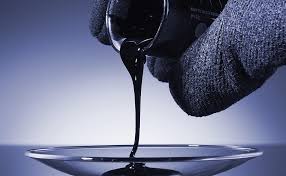
Purity: After special tests on bitumen, we can express the amount of impurities.
Softness: The temperature at which bitumen changes from solid to liquid.
Degree of penetration: The harder the bitumen, the lower the degree of penetration.
Other features include ductility and weight loss.
The difference between mineral bitumen and petroleum bitumen
Mineral bitumen and oil bitumen are the same. Their differences are listed below:
• The number of acidification and saponification of petroleum bitumen is less than mineral bitumen
• Petroleum bitumen sulfur is less than 1%, mineral bitumen has more sulfur. Trinidad bitumen has 3.8%, California mineral bitumen 3.9% and Mexican bitumen 3.2% sulfur.
• Petroleum bitumen oil is more than mineral bitumen, watery petroleum bitumen oil reaches up to 70% of their weight
• Petroleum bitumen is pure, mineral bitumen has mineral bodies and up to 1% ash.
Waxy bitumen (petroleum wax or oily paraffin is a mineral that is more or less present in petroleum bitumen) is not good for creating a black surface. Wax (paraffin) reduces the angmatic property of bitumen, the more wax, the lower its angmatic property. As the angiogenic property decreases, the black surface gradually loses its springy state and becomes brittle. The black surface shrinks in the cold, creating a tensile stress.
As soon as this stress increases, the surface cracks due to the tensile warp of the frozen asphalt surface. The lower the oil bitumen wax, the closer it is to the mineral bitumen and the better for making the black surface. Not all paraffin can be removed from petroleum bitumen because part of the paraffin, which is crystalline, separates, but the non-crystalline parts do not separate and remain in the bitumen as a colloidal solution. In addition to paraffin; Oxygen, bitumen and mineral oils also affect the bitumen material.
General properties of bitumen
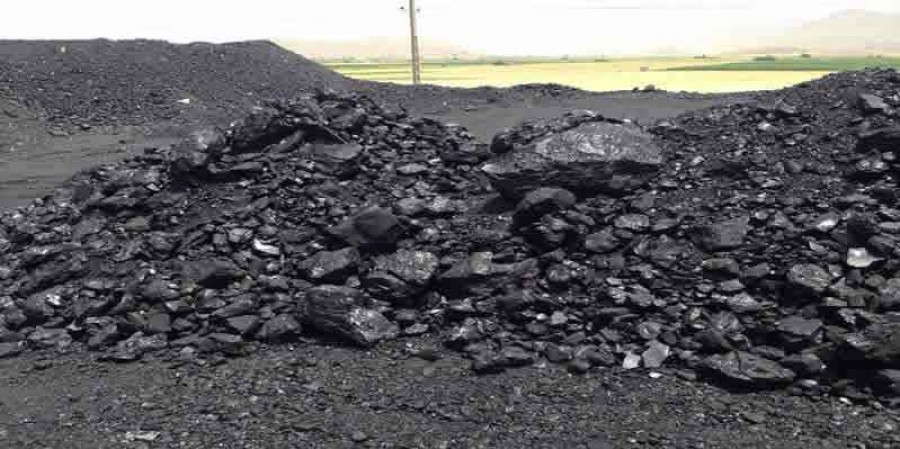
The general specifications of bitumens are as follows High adhesion strength to other materials
Elasticity
Impermeability to moisture and water
Medium resistance to acids, bases and salts
Electrical insulation
Major disadvantages of bitumen
In wet and polluted environments, they lose their adhesion.
Deform under high pressure.
Their physical and mechanical properties change, they become smooth and soft with increasing temperature.
Dissolves in mineral oils and some solvents such as carbon sulfide.
Decomposes against high heat, burns and turns into charcoal and loses its adhesion.
Contract for the purchase of bitumen
Bitumen purchase contract is one of the contracts that is a subset of sales contract (purchase and sale). These contracts are absolutely binding on the parties to the contract and even the legal representative of those who sign the contract. After signing a sample bitumen purchase agreement, the parties can not terminate it unilaterally, but can only use their legal authority to terminate it. Sometimes people cancel a deal with each other’s consent.
A few other legal tips for buying bitumen
• The seller is obliged to deliver the bitumen to the buyer at the same place where the sample contract is concluded, unless another place is specified in the text of the contract.
• If the parties do not specify a source for resolving the dispute in the sample text of the bitumen purchase agreement, they can refer to one of the following three judicial authorities to file a lawsuit: the court of residence of the party against whom the lawsuit is filed or the court where the contract was concluded; The court in which the obligations are performed.
Be sure to write the phrase “all versions are uniform” at the bottom of all versions.
• If a person who has an obligation in his favor in the sample text of the bitumen purchase contract waives this obligation, it is as if that obligation was not written in the text of the contract from the beginning.

Bitumen is a derivative of oil that is commonly used in road construction and insulation and is usually available in both barrel and bulk form. This black material with high viscosity is such that it is solid at ambient temperature and its viscosity decreases with increasing temperature.
Bitumen is used in the manufacture of insulation such as isogum and asphalt, waterproofing. Bitumen is commonly used to insulate roofs, humid environments such as swimming pools, toilets, etc. It has good adhesion to the surface of mortar and cement and is an important and widely used building material. In insulation, bitumen with a sack is usually used, which is called bitumen. Sack fibers have a reinforcing role and stabilize the bitumen in place. As mentioned earlier, bitumen is solid at ambient temperature, but as the temperature rises, it becomes a paste and then liquefies. The important application of this product is due to its two important properties, namely impermeability and viscosity.
Types of bitumen
Pure bitumen is extracted from minerals and oil and is divided into different types according to how this bitumen is prepared, and here we introduce different types.
• Bitumen Trinidad
This bitumen is extracted from the crater of a dormant volcano. This bitumen is more impure than other types.
• Mixed or dissolved bitumen
When bitumen is mixed with a solvent such as gasoline, it is called mixed bitumen.
• Petroleum bitumen
Bitumen obtained from the distillation of crude oil is called petroleum bitumen. During this distillation, other substances such as gasoline and propane are also separated.
• Bitumen blown
This material is obtained after the last stage of purification when hot air is blown into pure bitumen.
• Bitumen
Bitumen is produced by the gradual conversion of oil over a long period of time and the evaporation of its volatiles. These bitumens are more durable.
Properties of bitumen
Purity: After special tests on bitumen, we can express the amount of impurities.
Softness: The temperature at which bitumen changes from solid to liquid.
Degree of penetration: The harder the bitumen, the lower the degree of penetration.
Other features include ductility and weight loss.
The difference between mineral bitumen and petroleum bitumen
Mineral bitumen and oil bitumen are the same. Their differences are listed below:
• The number of acidification and saponification of petroleum bitumen is less than mineral bitumen
• Petroleum bitumen sulfur is less than 1%, mineral bitumen has more sulfur. Trinidad bitumen has 3.8%, California mineral bitumen 3.9% and Mexican bitumen 3.2% sulfur.
• Petroleum bitumen oil is more than mineral bitumen, watery petroleum bitumen oil reaches up to 70% of their weight
• Petroleum bitumen is pure, mineral bitumen has mineral bodies and up to 1% ash.
Waxy bitumen (petroleum wax or oily paraffin is a mineral that is more or less present in petroleum bitumen) is not good for creating a black surface. Wax (paraffin) reduces the angmatic property of bitumen, the more wax, the lower its angmatic property. As the angiogenic property decreases, the black surface gradually loses its springy state and becomes brittle. The black surface shrinks in the cold, creating a tensile stress.
As soon as this stress increases, the surface cracks due to the tensile warp of the frozen asphalt surface. The lower the oil bitumen wax, the closer it is to the mineral bitumen and the better for making the black surface. Not all paraffin can be removed from petroleum bitumen because part of the paraffin, which is crystalline, separates, but the non-crystalline parts do not separate and remain in the bitumen as a colloidal solution. In addition to paraffin; Oxygen, bitumen and mineral oils also affect the bitumen material.
General properties of bitumen
The general specifications of bitumens are as follows High adhesion strength to other materials
Elasticity
Impermeability to moisture and water
Medium resistance to acids, bases and salts
Electrical insulation
Major disadvantages of bitumen
In wet and polluted environments, they lose their adhesion.
Deform under high pressure.
Their physical and mechanical properties change, they become smooth and soft with increasing temperature.
Dissolves in mineral oils and some solvents such as carbon sulfide.
Decomposes against high heat, burns and turns into charcoal and loses its adhesion.
Contract for the purchase of bitumen
Bitumen purchase contract is one of the contracts that is a subset of sales contract (purchase and sale). These contracts are absolutely binding on the parties to the contract and even the legal representative of those who sign the contract. After signing a sample bitumen purchase agreement, the parties can not terminate it unilaterally, but can only use their legal authority to terminate it. Sometimes people cancel a deal with each other’s consent.
A few other legal tips for buying bitumen
• The seller is obliged to deliver the bitumen to the buyer at the same place where the sample contract is concluded, unless another place is specified in the text of the contract.
• If the parties do not specify a source for resolving the dispute in the sample text of the bitumen purchase agreement, they can refer to one of the following three judicial authorities to file a lawsuit: the court of residence of the party against whom the lawsuit is filed or the court where the contract was concluded; The court in which the obligations are performed.
Be sure to write the phrase “all versions are uniform” at the bottom of all versions.
• If a person who has an obligation in his favor in the sample text of the bitumen purchase contract waives this obligation, it is as if that obligation was not written in the text of the contract from the beginning.